How to Start Selling Dubai Chocolate from Home
Everything you need to start a home-based Dubai chocolate business — cottage food laws, pricing strategies, packaging requirements, marketing tips, and startup costs.
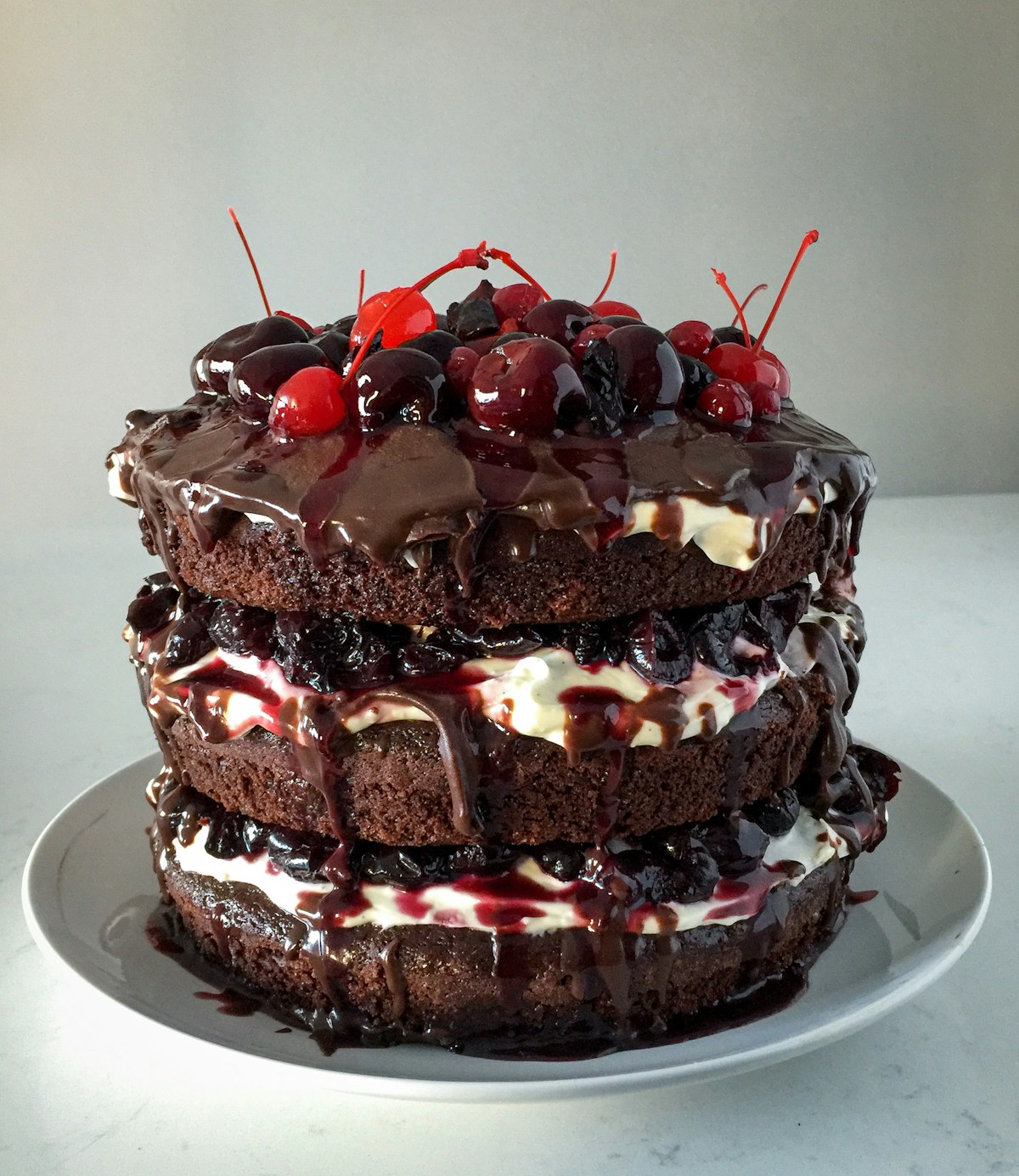
How to Start Selling Dubai Chocolate from Home
This post may contain affiliate links. If you purchase through these links, we may earn a small commission at no extra cost to you. See our full disclosure for details.
If you have been making Dubai chocolate at home and friends keep telling you "you should sell these," you are not alone. The viral popularity of Dubai-style chocolates — with their signature kunafa crunch and pistachio cream filling — has created genuine market demand that most local areas are not serving yet. The question is not whether people will buy it. The question is how to do it legally, profitably, and sustainably.
This guide walks you through everything from understanding cottage food laws to pricing your first box to marketing on social media. No business degree required.
Is There Really a Market?
Before investing time and money, let us look at the data:
- "Dubai chocolate" searches increased 4,200% on Google between 2024-2026
- Average price point for artisan chocolate boxes: $35-85 per box
- Local competition: Most areas have zero dedicated Dubai chocolate makers
- Reorder rate: Chocolate gifts are inherently repeat purchases (holidays, birthdays, events)
- Social media virality: Dubai chocolate content consistently outperforms other food niches on TikTok and Instagram
The sweet spot is this: you are offering a trending, premium product with high perceived value that can be made at relatively low cost in a home kitchen. That is a strong business case.
Step 1: Understand Cottage Food Laws
In the United States, cottage food laws allow individuals to make and sell certain food products from their home kitchen without a commercial license. However, the rules vary dramatically by state.
What Cottage Food Laws Typically Allow
- Selling baked goods, candies, chocolates, and confections
- Direct-to-consumer sales (farmers markets, online orders with local delivery)
- Annual revenue caps (ranging from $25,000 to unlimited depending on state)
What They Typically Require
- Labeling with your name, address, ingredients, allergens, and the statement "Made in a home kitchen"
- No potentially hazardous foods (things that need refrigeration vary by state)
- Some states require a food handler's permit ($10-25, online course)
What They Typically Prohibit
- Selling through retail stores (in most states)
- Shipping across state lines (federal regulations apply)
- Using ingredients that require temperature control in some states
Key Action Items
- Google "[your state] cottage food laws" and read the official state agriculture website
- Check the revenue cap — some states cap at $25K, others at $75K, some have no cap
- Verify chocolate is allowed — it is in almost every state, but check
- Get a food handler's permit if required — usually a 2-hour online course
- Register your business — even cottage food businesses need a basic business license in most jurisdictions
Important: This article provides general guidance, not legal advice. Always verify your specific state and local regulations before selling food products.
Step 2: Develop Your Product Line
Start small. You do not need 20 products on day one. A focused menu of 3-5 items is ideal:
Recommended Starter Menu
| Product | Difficulty | Margin | Shelf Life |
|---|---|---|---|
| Dubai Chocolate Bars (6-pack) | Medium | High | 2-3 weeks |
| Pistachio Truffles (12-pack) | Easy | High | 2 weeks |
| Chocolate Bark (8 oz bag) | Easy | Very High | 3-4 weeks |
| Kunafa Stuffed Dates (8-pack) | Medium | Medium | 1 week |
| Custom Gift Box (8 pieces) | Medium | Highest | 2 weeks |
Product development tips:
- Perfect each recipe before selling — make it 10 times until it is consistent
- Taste test with honest friends (not your mom, she will say everything is amazing)
- Document exact measurements and processes for consistency
- Calculate the exact cost of ingredients per unit
Step 3: Price for Profit
This is where most home bakers go wrong. They price based on what they would pay, not what the market will bear. Dubai chocolate is a premium product — price it accordingly.
Pricing Formula
Cost of ingredients + packaging + labor + overhead = total cost Total cost × 3-4 = retail price
Yes, a 3-4x markup is standard for artisan food products. Here is an example:
| Cost Component | Dubai Chocolate Bar (6-pack) |
|---|---|
| Ingredients | $4.50 |
| Packaging (box, tissue, label) | $2.00 |
| Labor (15 min @ $20/hr) | $5.00 |
| Overhead (utilities, insurance) | $0.50 |
| Total cost | $12.00 |
| Retail price (3x) | $36.00 |
| Profit per unit | $24.00 |
At $36 for a 6-pack of handmade Dubai chocolate bars, you are priced competitively against boutique chocolatiers ($8-15 per bar) while maintaining healthy margins.
Pricing Psychology Tips
- End in 5 or 0: $35 feels better than $36
- Offer bundles: "3 boxes for $90" (saves the customer $15, increases your average order)
- Holiday premium: Add $5-10 for holiday-specific packaging — people expect to pay more for gifts
- Never race to the bottom: If someone says your chocolate is expensive, they are not your customer
Step 4: Packaging That Sells
Packaging is your silent salesperson. For artisan chocolate, it needs to communicate quality, care, and professionalism.
Essential Packaging Components
- Rigid box with magnetic closure or lift-off lid ($2-4 each in bulk)
- Food-safe tissue paper lining ($0.10-0.25 per sheet)
- Individual candy cups for each piece ($0.03-0.05 each)
- Branded label with logo, ingredients, allergens, weight, and "Made in a home kitchen" disclaimer
- Ribbon or belly band for gift-ready presentation
Where to Source
- Boxes: Nashville Wraps, Paper Mart, Amazon (search "magnetic gift box")
- Labels: Avery (print at home) or Sticker Mule (professional custom labels, $50-100 min order)
- Ribbon: Michaels, Amazon, or wholesale from RibbonByDesign.com
- Custom printing: Packlane or Arka for branded boxes (minimum 30-50 units)
For detailed presentation ideas, see our Dubai Chocolate Gift Box guide.
Labeling Requirements
Your label must include:
- Product name
- Net weight
- Ingredient list (in descending order by weight)
- Allergen declaration (Contains: milk, tree nuts, wheat)
- Your name and address
- "Made in a home kitchen that is not inspected by [your state agency]" (exact wording varies by state)
Step 5: Set Up Sales Channels
Start Local
- Instagram and Facebook — Post your creations, take orders via DM
- Farmers markets — Apply for a booth ($25-75 per market day)
- Word of mouth — Tell everyone you know. Bring samples to work, church, kids' activities
- Local Facebook groups — Many communities have buy/sell groups specifically for homemade food
Scale Up
- Simple website — Squarespace or Shopify ($15-30/month) for online ordering
- Local delivery — Offer free delivery within 10 miles for orders over $50
- Corporate gifting — Reach out to local businesses for holiday gift orders
- Event catering — Weddings, baby showers, corporate events
Not Yet (Wait Until You Are Established)
- Shipping nationwide (requires more complex licensing and cold-pack logistics)
- Wholesale to retail stores (usually requires commercial kitchen)
- Food truck or pop-up shop (additional permits and higher startup costs)
Step 6: Marketing on Social Media
Dubai chocolate is inherently visual and shareable. Lean into this advantage.
Content Strategy
- Behind-the-scenes: Film yourself making chocolate — the pistachio cream pour, the kunafa crunch, the chocolate drizzle
- Before/after: Raw ingredients → finished product transformations
- ASMR cuts: Chocolate breaking, kunafa crunching — these go viral consistently
- Customer reactions: Film someone trying your chocolate for the first time (with permission)
- Educational content: "Did you know Bronte pistachios cost $60/lb?" — see our pistachio guide
Photography Tips
Good photos sell chocolate. Check our Dubai Chocolate Instagram Photography guide for detailed tips on lighting, angles, and styling.
Hashtags That Work
#DubaiChocolate #HomemadeChocolate #ArtisanChocolate #ChocolateLovers #PistachioChocolate #KunafaChocolate #SmallBatchChocolate #[YourCity]Food
Estimated Startup Costs
| Item | Cost | Notes |
|---|---|---|
| Initial ingredients | $100-150 | Enough for 20-30 units |
| Packaging (first batch) | $75-100 | Boxes, tissue, labels, ribbon |
| Food handler's permit | $10-25 | Online course |
| Business license | $50-100 | Varies by city/county |
| Kitchen scale | $25-40 | Essential — see our scale guide |
| Thermometer | $15-20 | For tempering chocolate |
| Silicone molds | $15-25 | For bars and shapes |
| Basic branding (logo) | $0-50 | Canva free or Fiverr |
| Total | $290-510 |
Break-even point: At $35 per box with $12 cost, you profit $23 per box. You break even after selling just 13-22 boxes. Many home chocolatiers report reaching profitability within the first month.
Common Mistakes to Avoid
- Underpricing — You are not competing with Hershey's. You are competing with artisan boutiques.
- Over-investing in packaging before you have customers — start simple, upgrade as revenue grows
- Making too many products — Focus on 3-5 items and do them exceptionally well
- Ignoring allergen labeling — This is a legal requirement and a safety issue
- Not tracking costs — Use a simple spreadsheet to track every ingredient, package, and hour spent
- Skipping the food handler's permit — It takes 2 hours and costs $15. Just do it.
- Waiting until everything is perfect — Start selling when your product is great, not when your branding is perfect
Your First 30 Days: Action Plan
| Day | Action |
|---|---|
| 1-3 | Research your state's cottage food laws |
| 4-5 | Get food handler's permit (if required) |
| 6-7 | Register business name and get license |
| 8-14 | Perfect your top 3 recipes, calculate costs |
| 15-17 | Order packaging, design labels |
| 18-20 | Create Instagram account, post first 5 photos |
| 21-25 | Make sample boxes, give to 10 people for feedback |
| 26-28 | Set prices, create simple order form |
| 29-30 | Announce your launch — you are officially in business |
Already selling Dubai chocolate from home? Share your experience and tips in the comments — we love hearing from fellow chocolate entrepreneurs!
Related Articles
Best Kitchen Scales for Chocolate Making (2026)
A detailed review of 5 kitchen scales perfect for precision chocolate work. Compare features, accuracy, price, and find the best scale for your Dubai chocolate recipes.
Keto Dubai Chocolate: Low-Carb Substitutions That Actually Work
Make authentic-tasting Dubai chocolate that fits your keto diet. Sugar-free chocolate, almond flour kunafa, and keto pistachio cream with full macro breakdowns.
Salted Caramel Dubai Chocolate Bar
Dark chocolate bar layered with salted caramel, pistachio cream, and kunafa for a next-level twist on the classic Dubai chocolate bar.