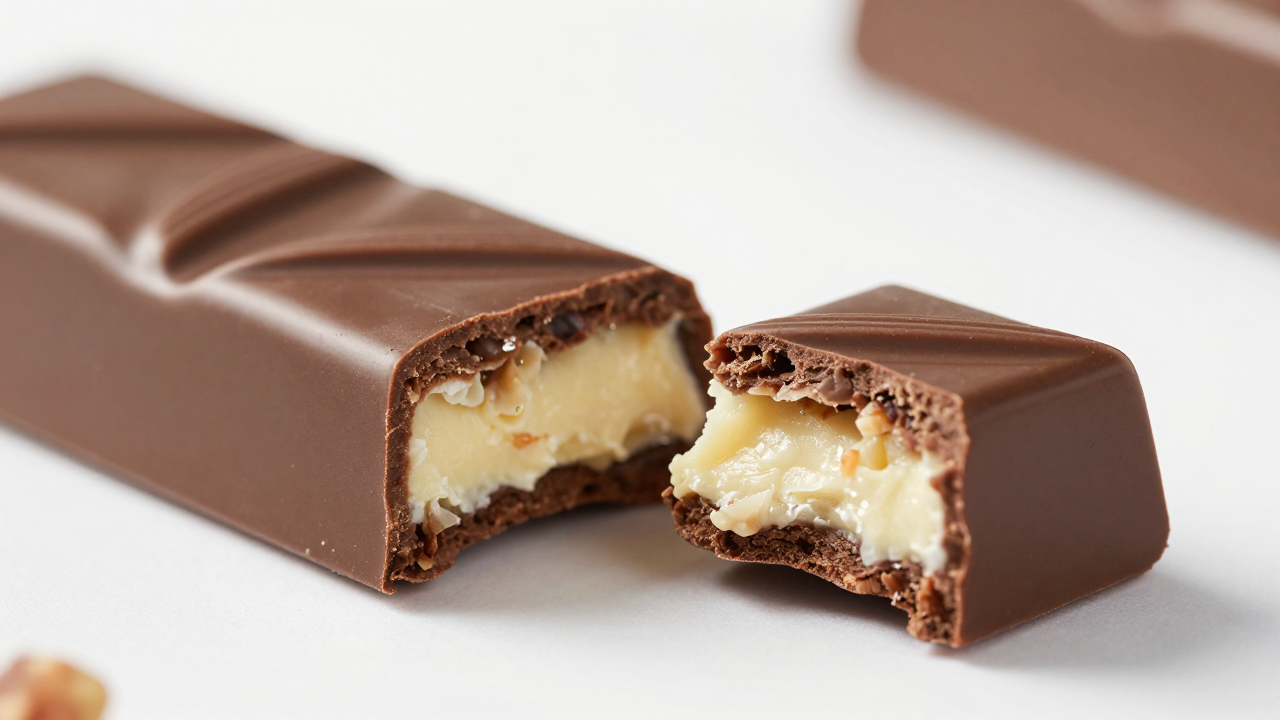
Best Chocolate Tempering Methods: Machine vs Marble vs Microwave
Proper tempering gives Dubai chocolate its signature snap. Three methods compared.
Recipe
## Best Chocolate Tempering Methods: Machine vs Marble vs Microwave
Tempering is the single most important skill for Dubai chocolate. Properly tempered chocolate has a glossy sheen, satisfying snap, and releases cleanly from molds. Under-tempered chocolate blooms gray, feels soft, and sticks. This guide compares the three main tempering methods for home Dubai chocolate production.
## Quick Answer
**Most reliable**: Marble slab tabling method — gives the most control and produces consistent results for experienced hands. **Easiest**: Microwave seeding method — fewer tools, works well for batches under 500g. **Highest volume**: Chocolate tempering machine — set-and-forget, essential for production batches or business use.
## Why Tempering Matters Specifically for Dubai Chocolate
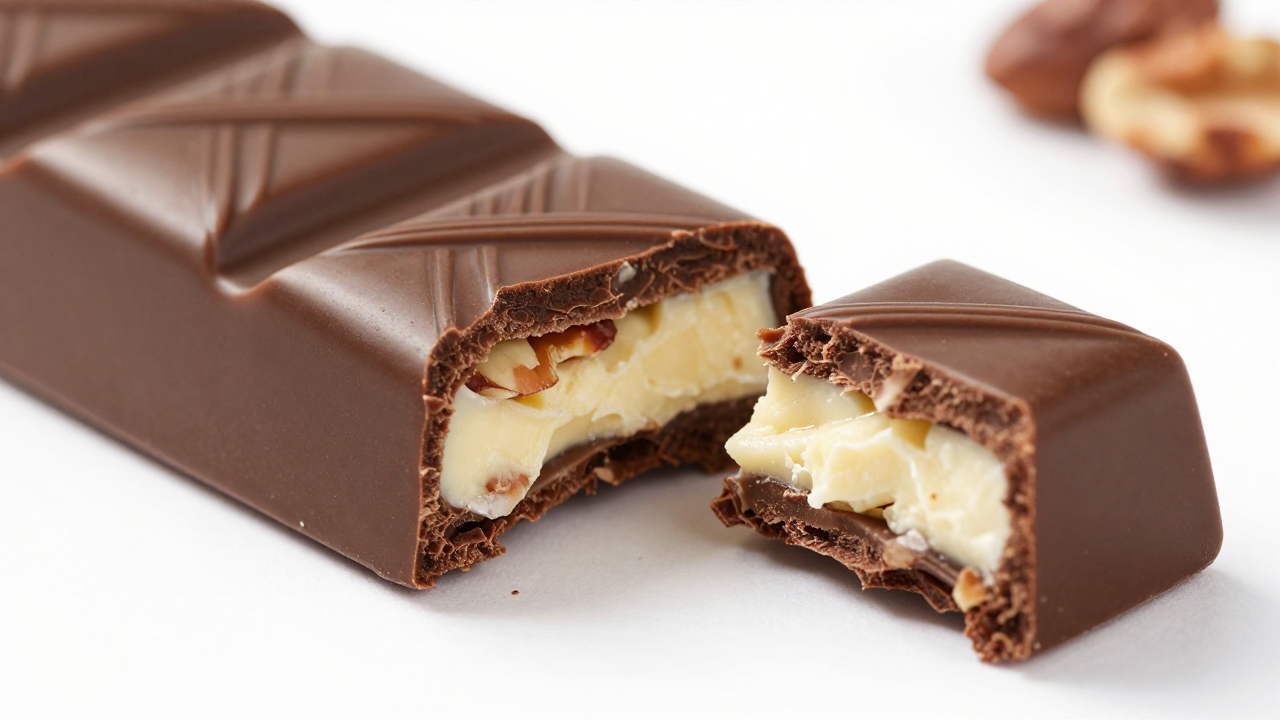
Dubai chocolate has visible cross-sections — when you break the bar, guests see the chocolate shell, pistachio cream layer, and kunafa crunch. Under-tempered chocolate makes this cross-section dull and grayish. Properly tempered chocolate makes it shine.
Additionally, Dubai bars are typically unmolded (not hand-dipped), which means temper failure shows immediately as sticking or bloom. Getting the temper right is non-negotiable for presentable bars.
## Understanding Tempering: The Science
Chocolate contains six forms of cocoa butter crystals (polymorphs I-VI). Tempering creates Form V crystals — the stable form that produces desirable characteristics:
| Form | Temperature (Dark) | Characteristic |
|---|---|---|
| I-IV | Various | Unstable, soft, blooms |
| V (target) | 31-32C / 88-90F | Glossy, hard, snappy |
| VI | 36C+ | Grainy, takes weeks to form |
All tempering methods achieve the same goal: creating Form V crystals while cooling melted chocolate.
## Method 1: Marble Slab (Tabling)
### Process
1. Melt chocolate to 45-50C (dark) / 40-45C (milk/white)
2. Pour 2/3 of melted chocolate onto a cool marble slab
3. Work with a palette knife and bench scraper in a figure-eight pattern
4. Cool to 27C (dark) — chocolate thickens noticeably
5. Add cooled chocolate back to reserved 1/3
6. Stir to reach working temperature: 31-32C (dark), 29-30C (milk), 28-29C (white)
### Pros
- Full visual and tactile control over the process
- No special equipment beyond a marble slab and thermometer
- Traditional professional method — builds chocolate intuition
- Works at any batch size
### Cons
- Requires practice — 10-15 batches before consistent results
- Messy — chocolate spreads over marble
- Temperature-sensitive — room must be 18-22C for best results
- Marble slab is an investment ($40-100)
### Best For
Experienced home chocolatiers, anyone wanting to develop real chocolate skills, smaller batches where precision matters most.
## Method 2: Microwave Seeding
### Process
1. Chop chocolate finely — smaller pieces melt evenly
2. Microwave 2/3 of chocolate in 30-second bursts at 50% power, stirring between each
3. When fully melted and at 45-50C (dark), add remaining 1/3 as seeds
4. Stir continuously — seeds provide Form V crystal nuclei
5. Monitor temperature — stop when reaching 31-32C (dark)
### Pros
- Minimal equipment (microwave + thermometer + bowl)
- Good for batches under 500g
- Low cleanup
- Fast — entire process in 10-15 minutes
### Cons
- Easy to overheat in microwave (destroys crystals)
- Requires quality seed chocolate (must be previously tempered)
- Less reliable for large batches
- Learning curve per appliance wattage
### Best For
Beginners making their first Dubai chocolate bars, small batches (6-12 bars), home use where marble slabs are impractical.
## Method 3: Tempering Machine
### Process
1. Set machine to melt mode (45-50C) — add chocolate
2. Machine automatically cools to seed temperature and stirs
3. Holds at working temperature indefinitely
4. Fill molds directly from machine reservoir
### Machine Options
- **ChocoVision Revolation Delta**: 6 lbs capacity, ~$450
- **Mol d Art tempering bowl**: 3 kg, ~$350, beginner-friendly
- **Professional enrobers**: 10+ kg, $1,500+, commercial
### Pros
- Set-and-forget — no monitoring required
- Maintains working temperature for hours
- Consistent results regardless of experience level
- Essential for production volume (20+ bars per session)
### Cons
- Significant upfront cost ($350-500 for good home units)
- Single-purpose appliance
- Requires careful cleaning to prevent cross-contamination
### Best For
Anyone making Dubai chocolate regularly (weekly+), gift businesses, anyone wanting reliability over skill.
## Which Method to Start With
**New to chocolate making?** Start with microwave seeding. Lower risk, minimal investment, builds understanding. Once comfortable with the temperature targets, move to marble for precision or a machine for volume.
**Making chocolate for gifts or sale?** A tempering machine pays for itself quickly in consistency and reduced waste from failed batches.
**Just want great Dubai chocolate at home?** Microwave seeding with good seed chocolate (Callebaut or Valrhona) produces excellent results for personal use.
## Temperature Reference Chart
| Chocolate Type | Melt | Cool (Marble) | Working Temp |
|---|---|---|---|
| Dark (70%+) | 50C / 122F | 27C / 81F | 31-32C / 88-90F |
| Milk | 45C / 113F | 25C / 77F | 29-30C / 84-86F |
| White | 40C / 104F | 24C / 75F | 28-29C / 82-84F |
## Frequently Asked Questions
**How do I know if my chocolate is properly tempered?** Dip a spatula in tempered chocolate and set on parchment at room temperature. Should set glossy and firm in 3-5 minutes. Soft or streaky after 10 minutes means it needs re-tempering.
**Can I re-temper chocolate that bloomed?** Yes — bloom means chocolate simply lost temper. Re-melt completely and temper again. Quality is unaffected.
**Does room temperature matter?** Significantly. Rooms above 25C make tempering difficult. Ideal room temperature is 18-22C.
**What thermometer do I need?** Any instant-read thermometer accurate to 1C. Laser/infrared thermometers are convenient for checking mold and slab temperatures.
[**See chocolate tempering equipment on Amazon →**](https://dubaichocolatelab.com/go/best-chocolate-tempering-methods)
You Might Also Like
Affiliate Disclosure: Some links in this recipe are affiliate links. If you purchase through these links, we may earn a small commission at no additional cost to you. This helps us continue creating and testing new recipes. All recommendations are based on our genuine experience and testing.